Guides
The Complete Guide to Solar Energy in Nigeria (2026)
By DB Energy Team18 Aug 20268 min read
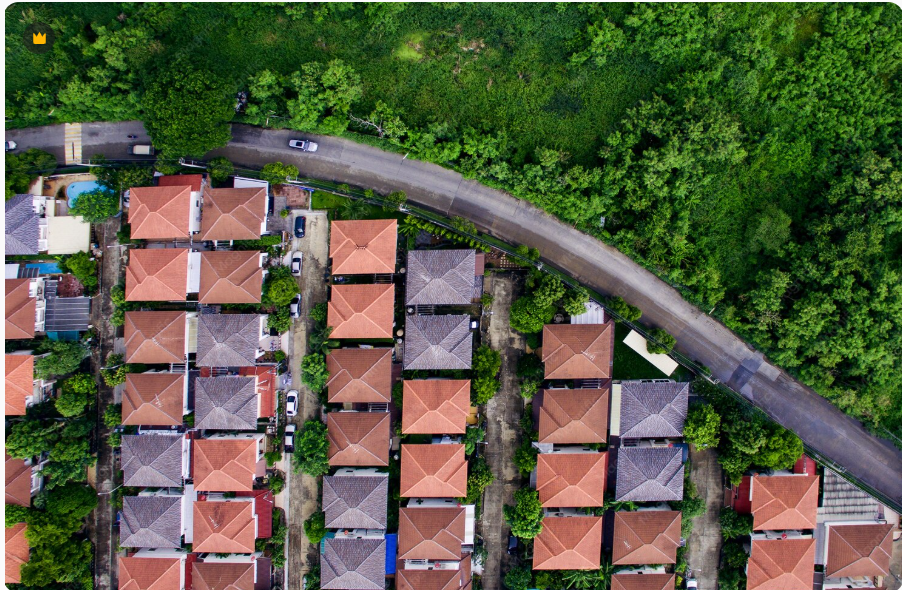
Everything you need to know about switching to solar in Nigeria — from system sizing and costs to choosing the right installer.
Nigeria's energy landscape is changing. With grid instability and rising fuel costs, more homes and businesses are turning to solar. This guide covers everything you need to know about making the switch.
## Why Solar Makes Sense in Nigeria
Nigeria receives an average of 5.5 hours of peak sunlight per day — one of the best solar resources in the world. Yet millions of Nigerians rely on expensive, polluting generators. Solar power offers a cleaner, cheaper, and more reliable alternative.
## Understanding System Components
A solar power system has three main components:
1. **Solar Panels** — convert sunlight into electricity
2. **Inverter** — converts the DC electricity from panels into AC electricity your appliances use
3. **Battery Bank** — stores electricity for use at night or during cloudy periods
## Sizing Your System
The right system size depends on your daily energy consumption. A typical Nigerian home using lights, fans, TV, and a refrigerator needs a 3-5kW system. Adding air conditioning increases the requirement to 5-10kW.
## Costs and ROI
While the upfront cost of solar can seem significant, the long-term savings are substantial. Most residential systems pay for themselves within 3-5 years through eliminated fuel and electricity bills.
## Choosing the Right Installer
Look for a company with certified engineers, proper warranties, and a track record of installations in your area. Ask for references and visit completed projects if possible.
Ready to make the switch? Contact DB Energy for a free consultation and quote.
Ready to Go Solar?
Get a free, no-obligation solar quote today. Our team will design a solar system tailored to your home or business.